Seaweed Experimentations
(work in progress)
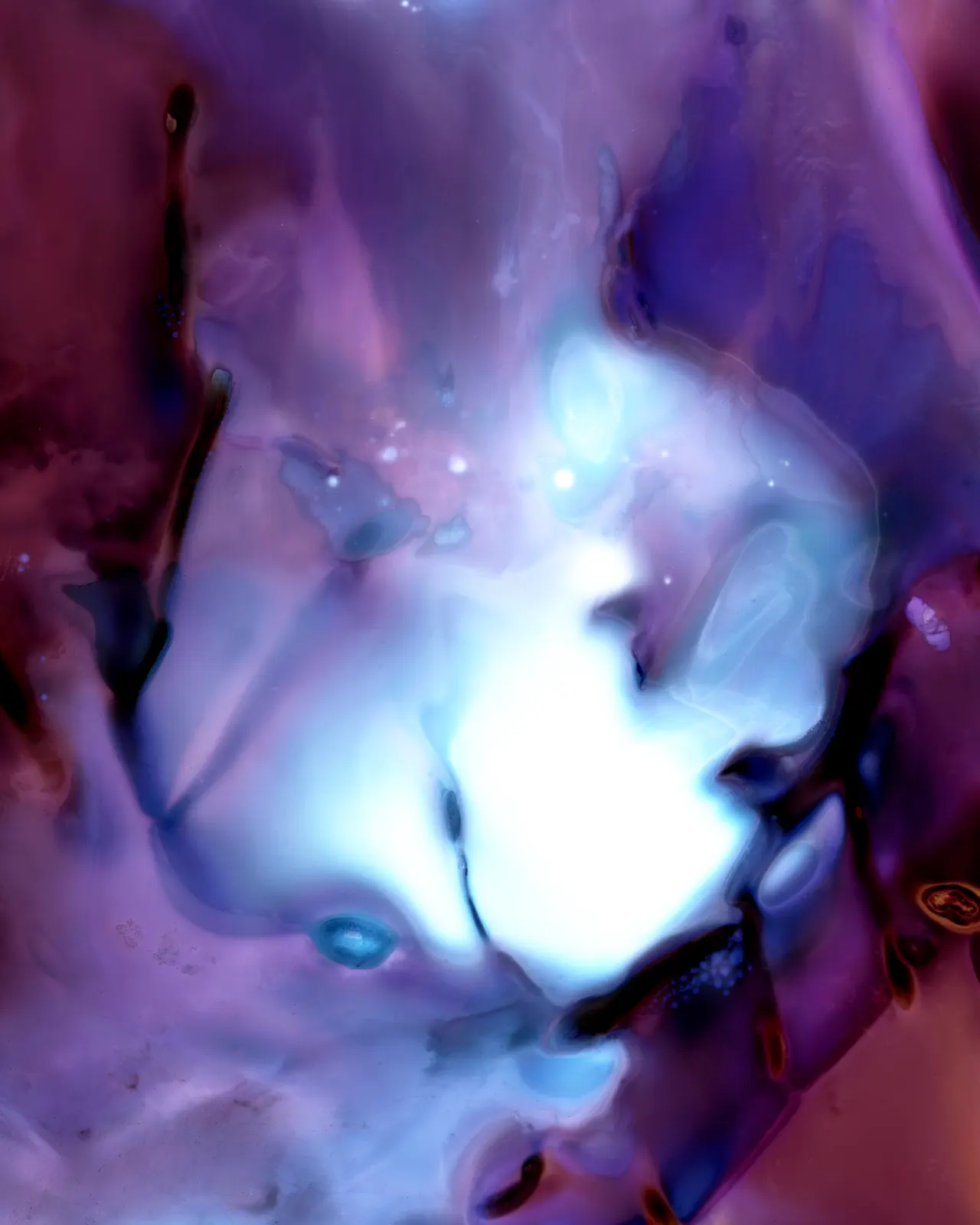
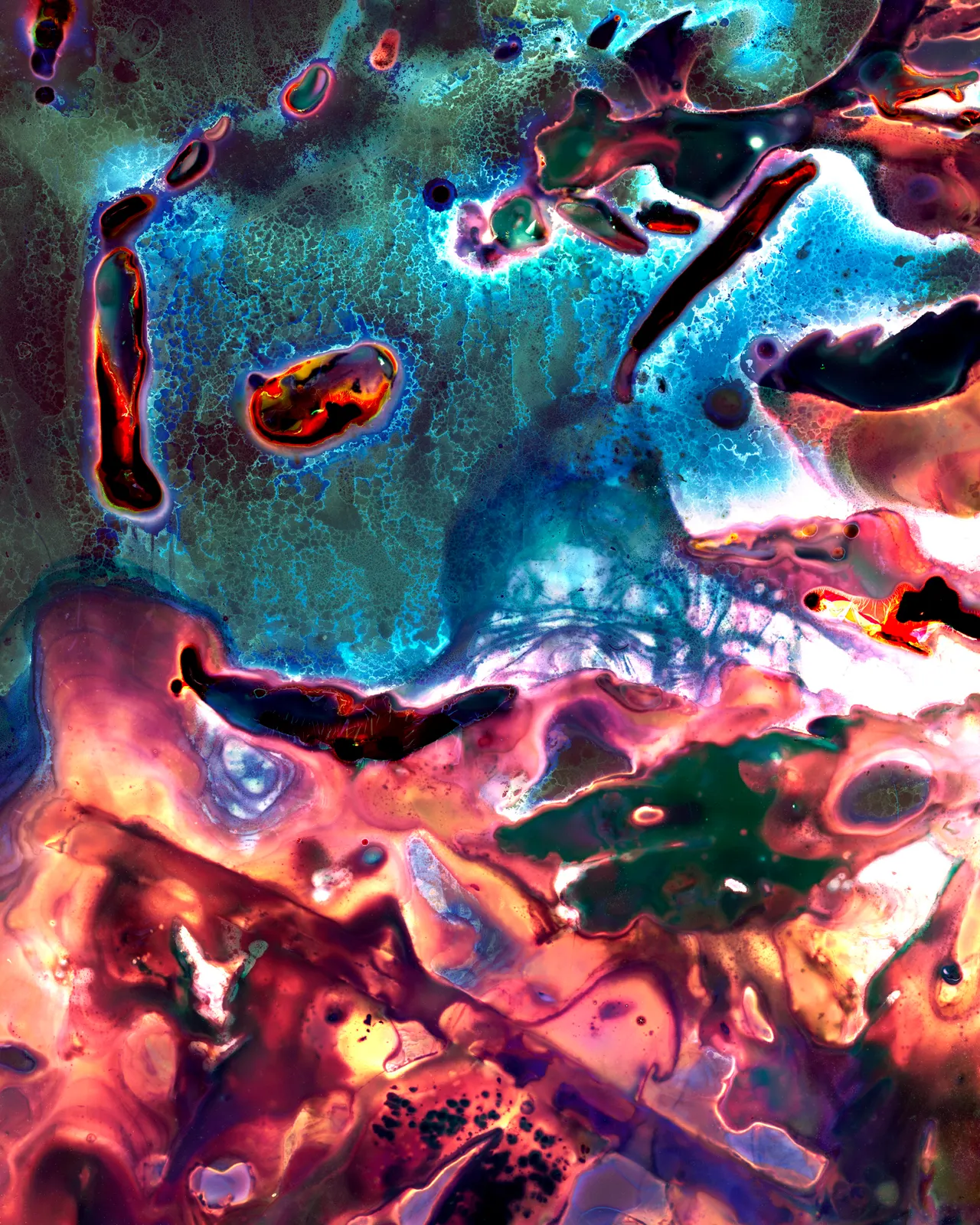
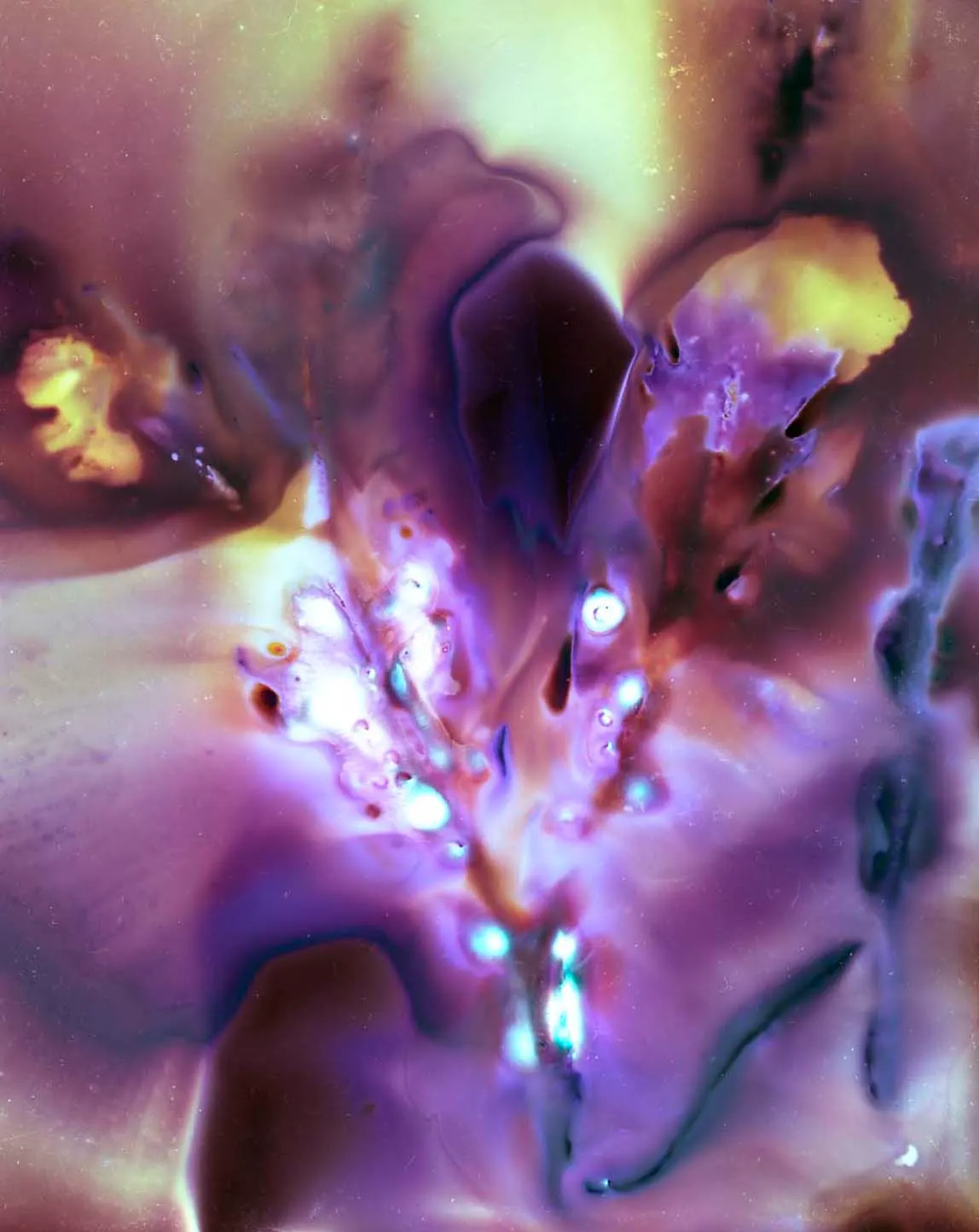
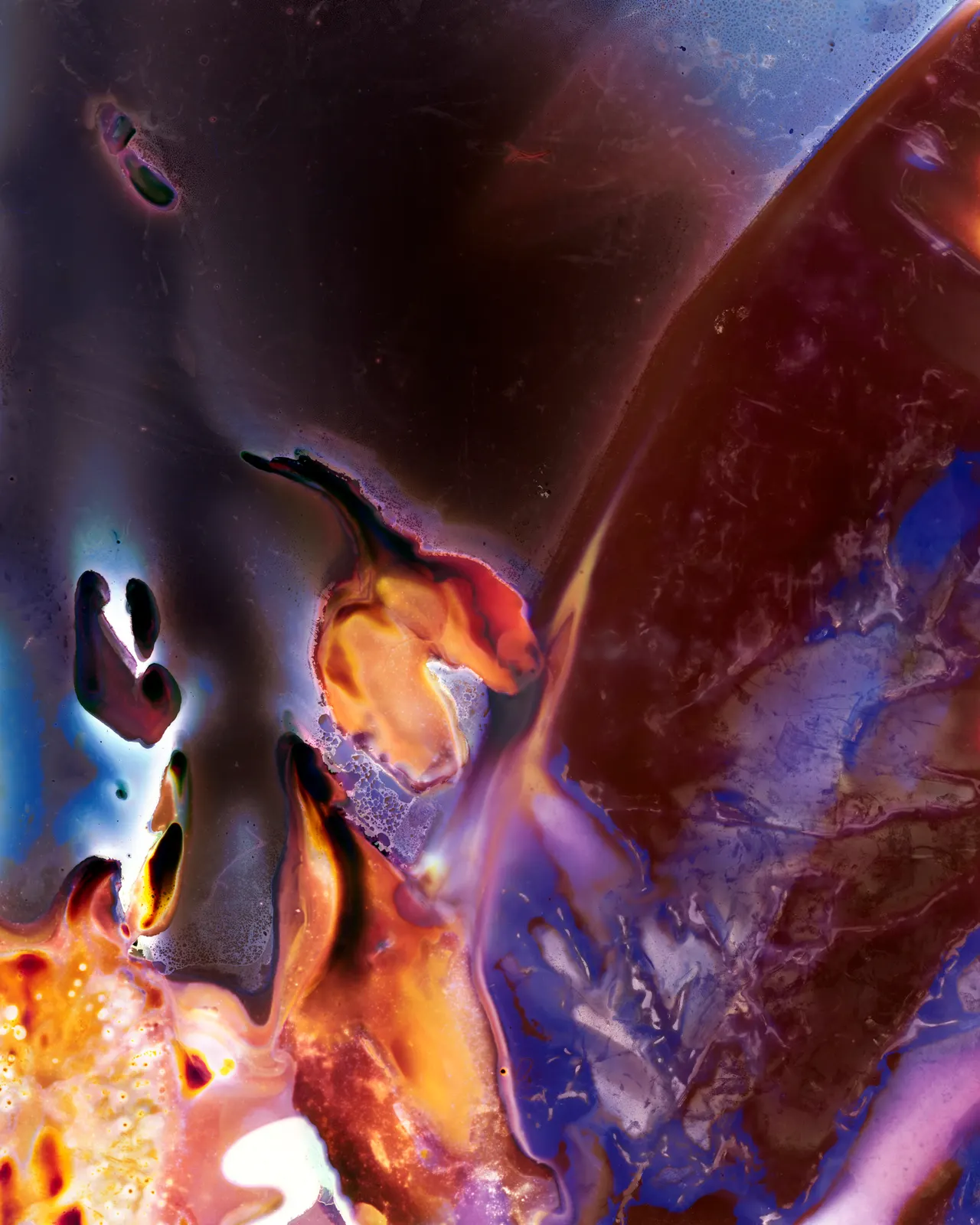
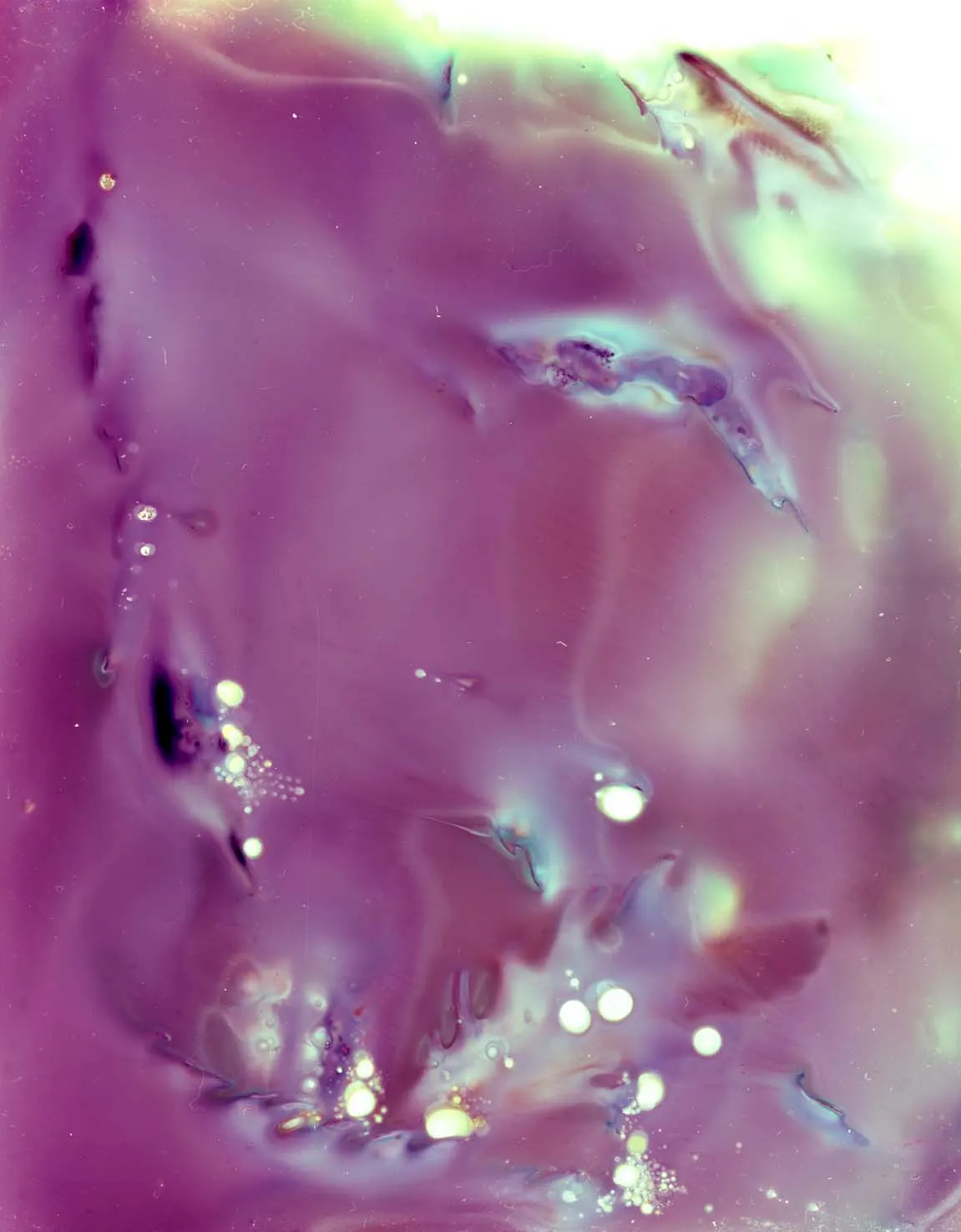
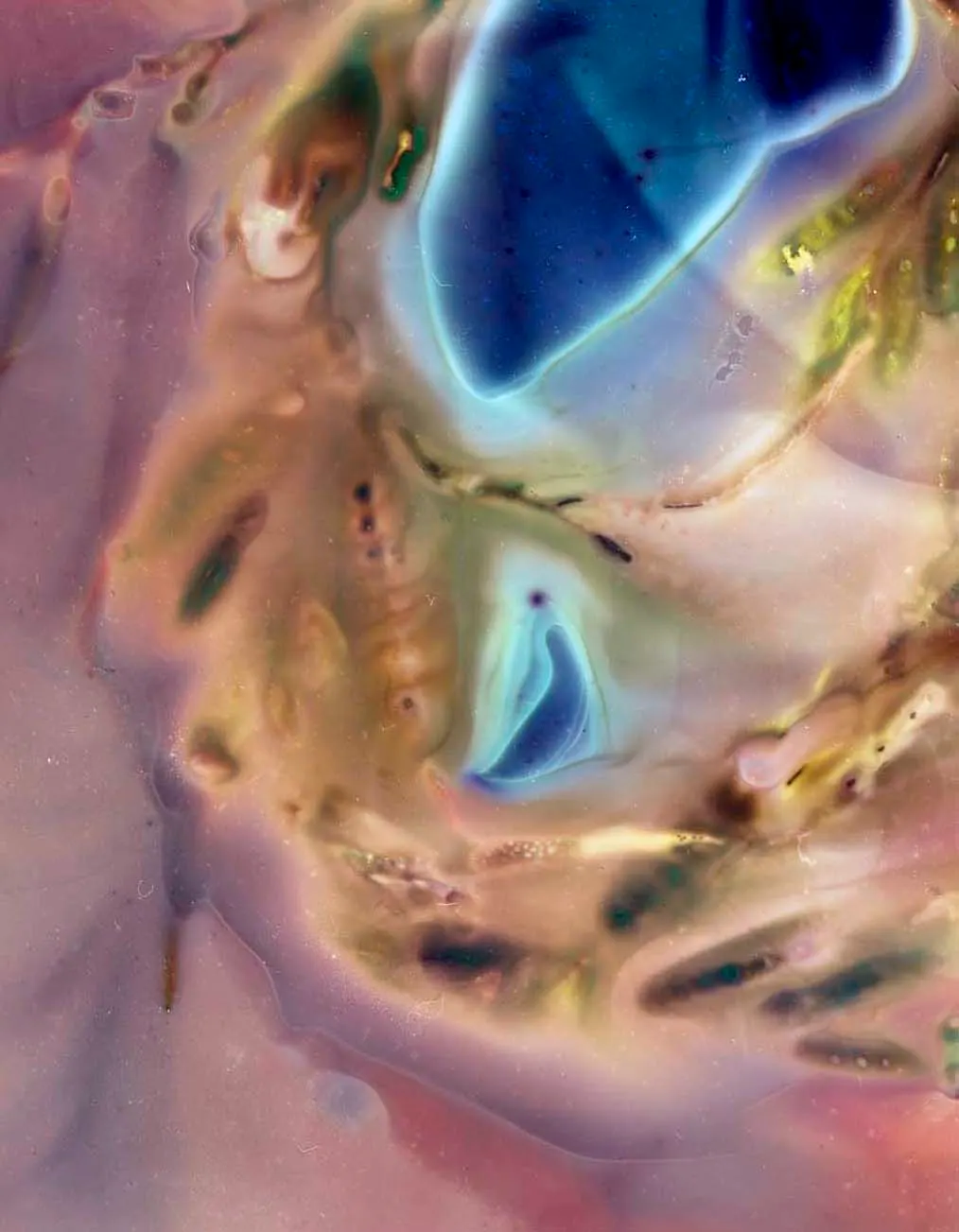
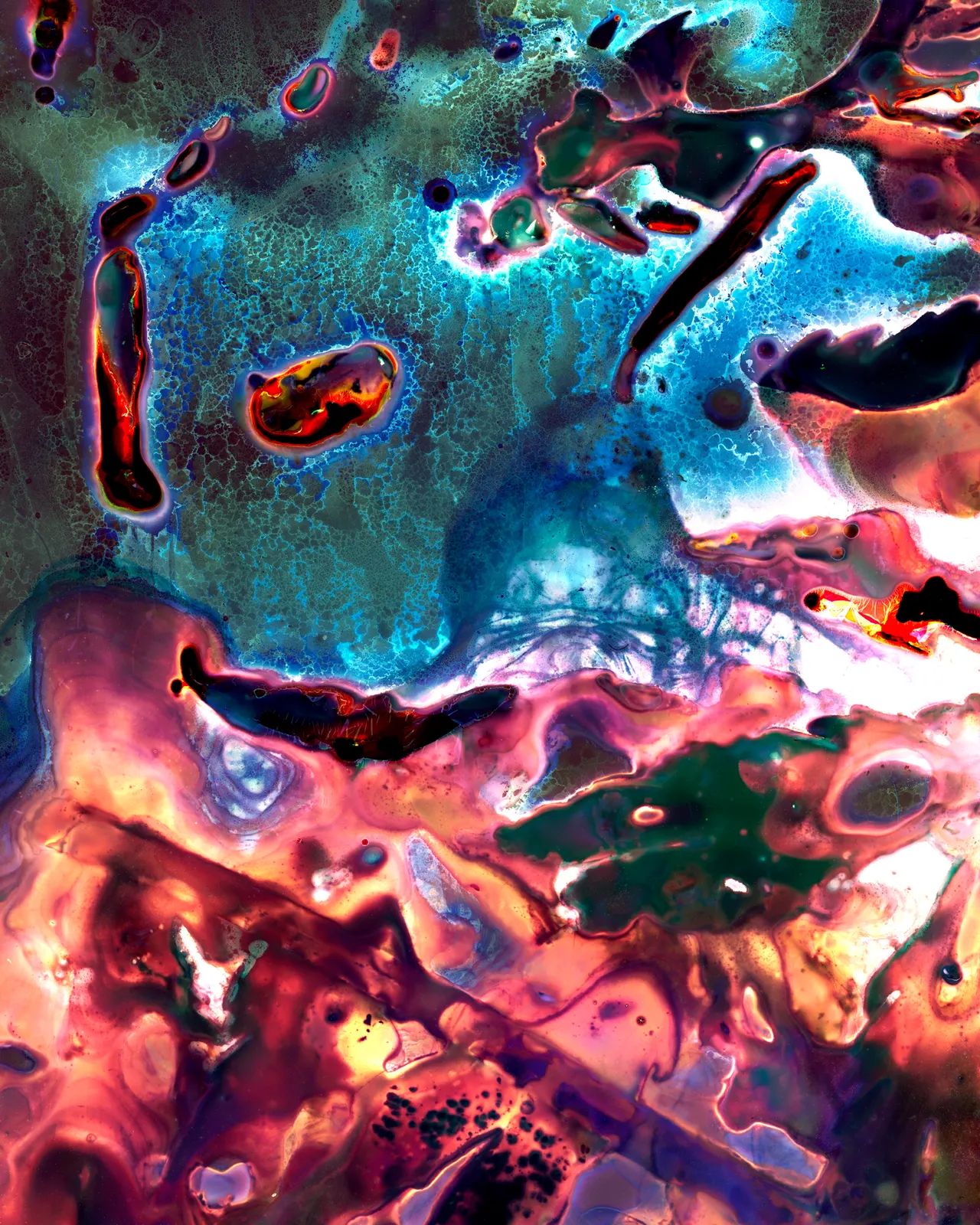
Seaweed Experimentations is a work-in-progress and a start for visual research on watery connections and the body. It is driven by the desire to encounter a seemingly ordinary seascape differently – feel the waves, the salt and the wind, adapt to it and make images with it. Leinonen started experimenting with seaweeds whilst working as an artist-in-residency in Southern Sweden in 2025. In her experimentations seaweeds transferred the presence of their organic watery bodies on photographic material resulting in abstract images.
Leinonen’s visual thinking resonates with posthumanist and new materialist ideas emphasizing the more-than-human connections and agencies. Leinonen is intrigued by the physical nature of water and by Astrida Neimanis’ notion that water connects us to the world around us. As Neimanis suggests, the water flowing through our bodies is inseparable from a vast hydrological cycle that entwines us with other animals, environments, and ecological systems.[1]
The camera-less working method, which Leinonen is experimenting with is very bodily and material practice. Rather than treating photography as a means of representing the world, Leinonen's practice understands photography as a site of encounter between material bodies. Leinonen lets the seaweeds affect the surface of the photosensitive materials over time using experimental analogue film soup practice, in which colour layers of photographic film are manipulated by soaking the film in liquids. The resulting images are created not by light but by reaction from physical contact and resonate with phytograms,[2] a technique developed by experimental film maker Karel Doing.
Leinonen’s practice makes visible the processes of change, fragility, instability and decay in the light sensitive material — processes that are thematically connected to the body and aging. The seaweed also strongly addresses the issues of environmental crises. As living organisms, seaweeds reflect both the fragility of survival and the threat of extinction. At the same time, they offer a glimpse of hope as a vast potential that remains largely unexplored. What could be the role of seaweeds in our adaptation to the environmental crises?
[1] Neimasis, Astrida (2017): Bodies of Water – Posthuman Feminist Phenomeology. (London: Bloomsbury)
[2] A phytogram is a combination of photogram and chemigram using organic matter saturated with ascorbic acid and bicarbonate soda, which is laid on the photosensitive material and finally fixed with traditional photochemical fixer.